Work/Rockets + Boost Gliders
Competition models where every gram and every meter counts.
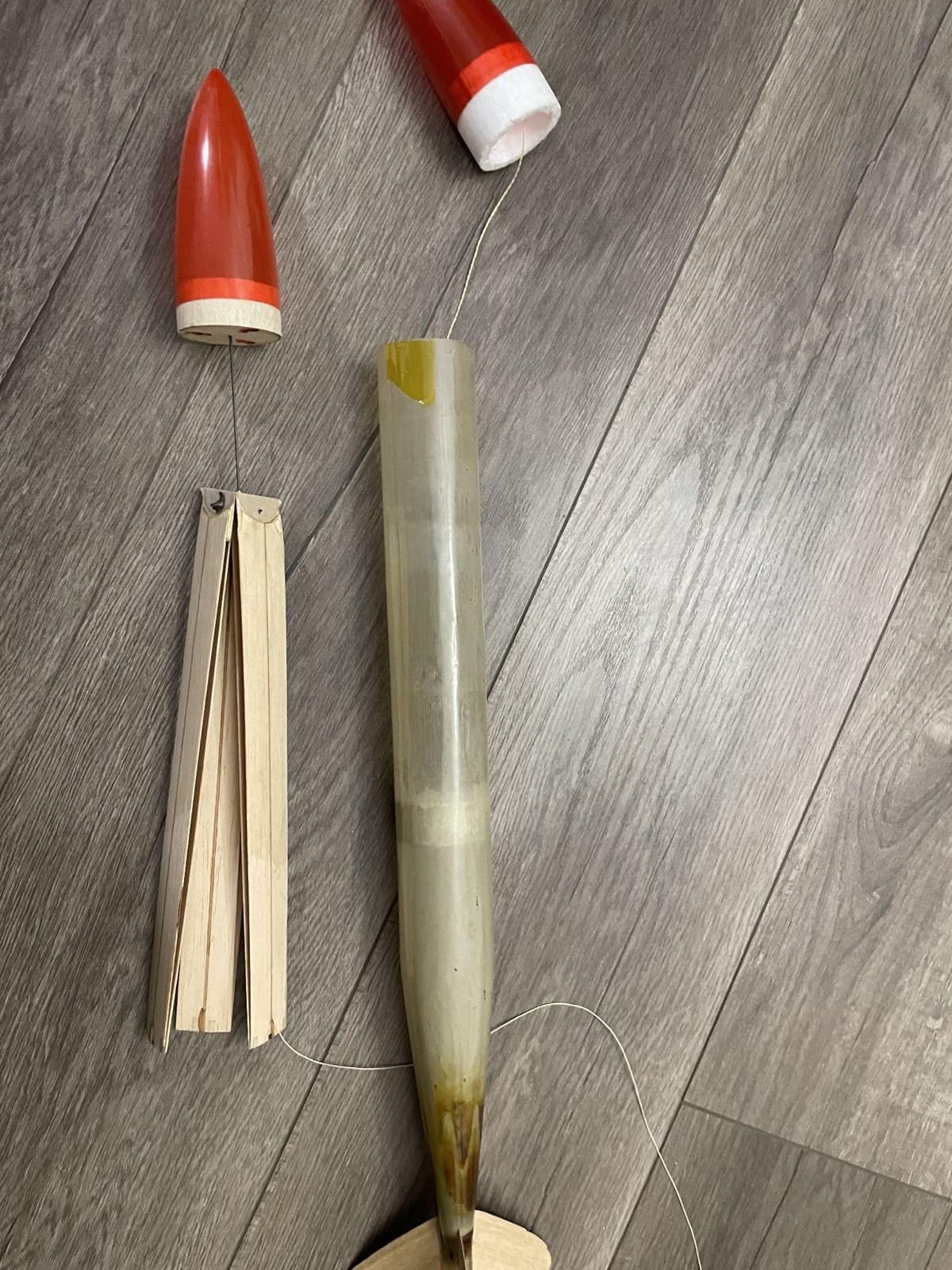
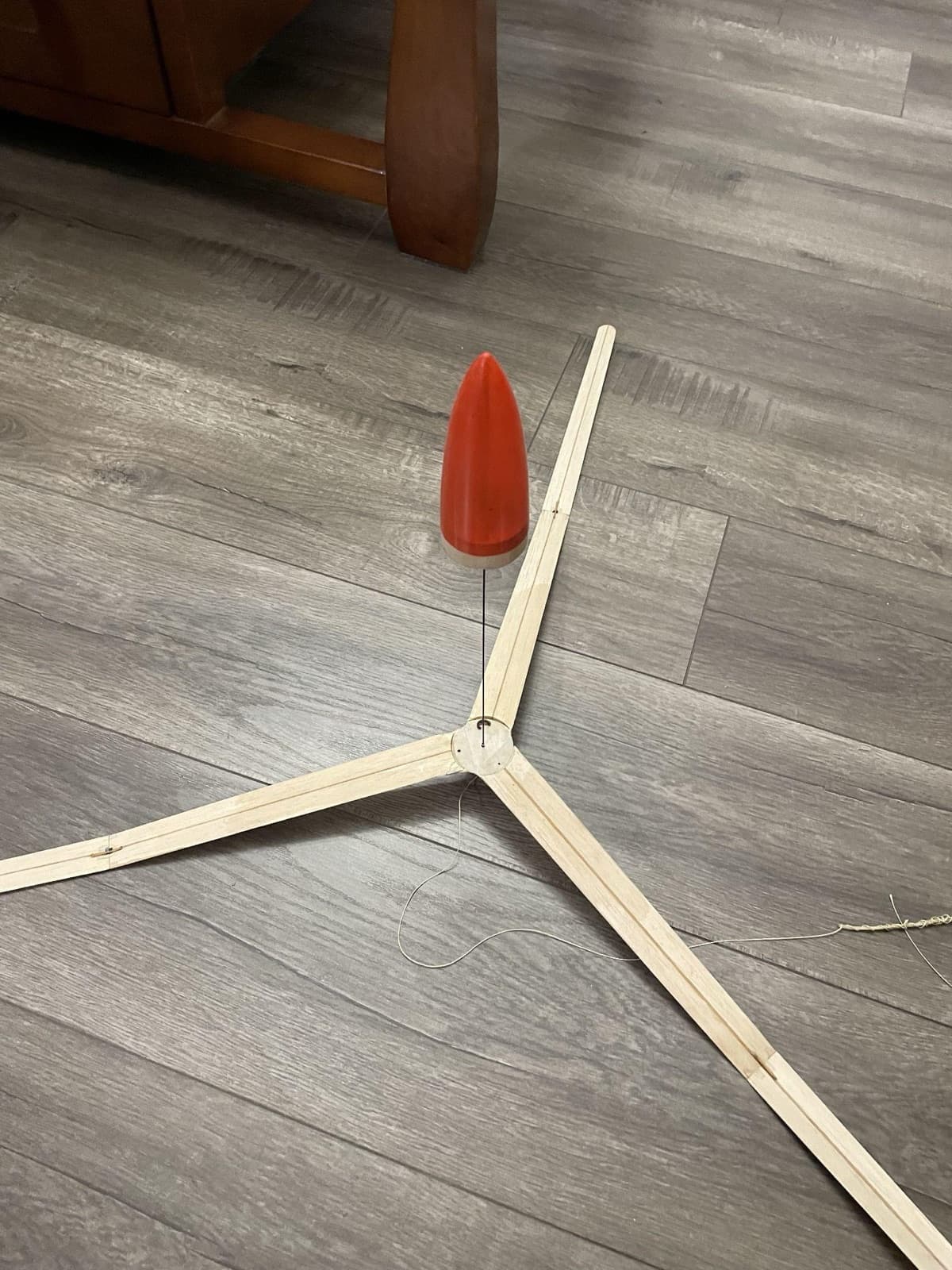
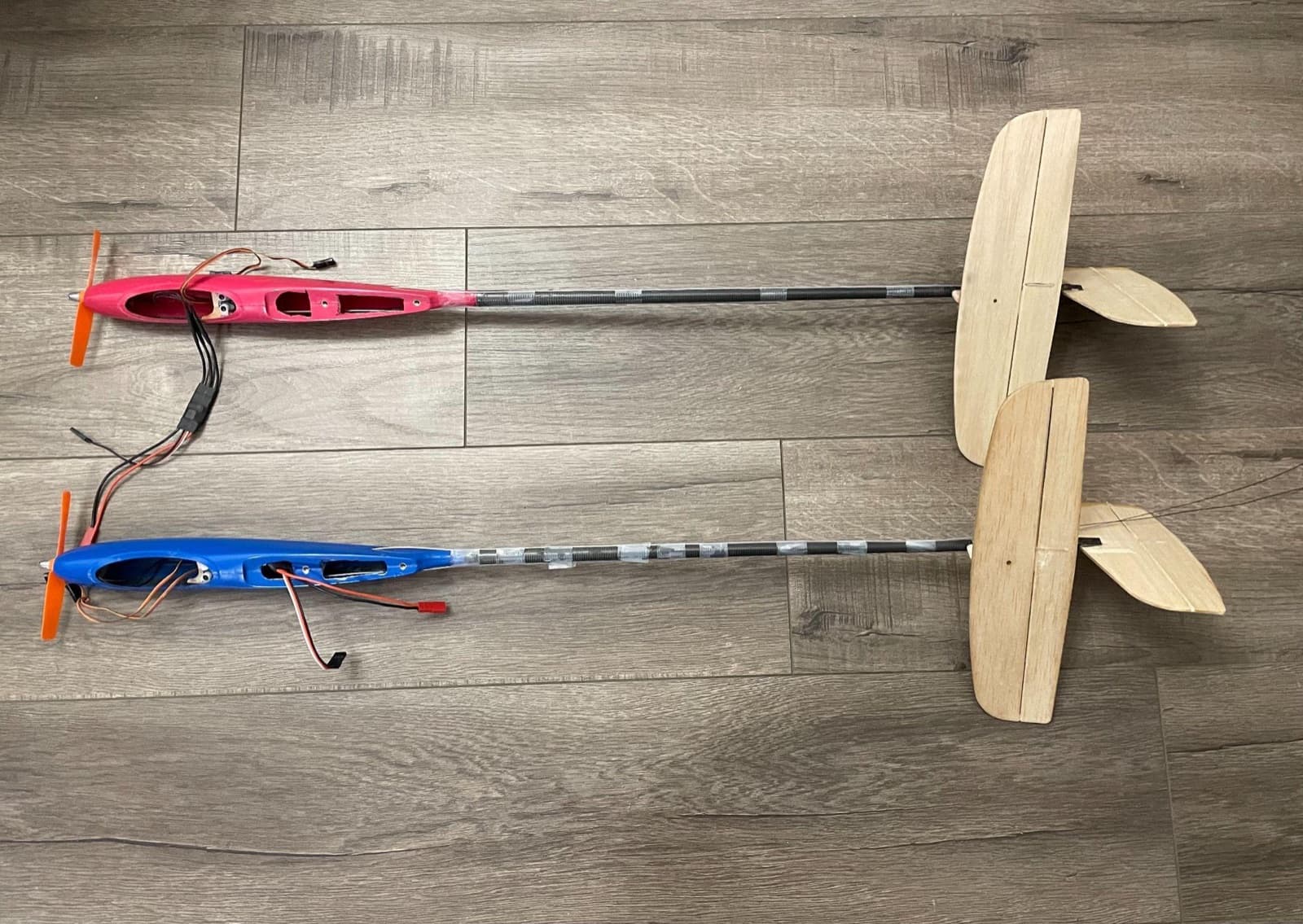
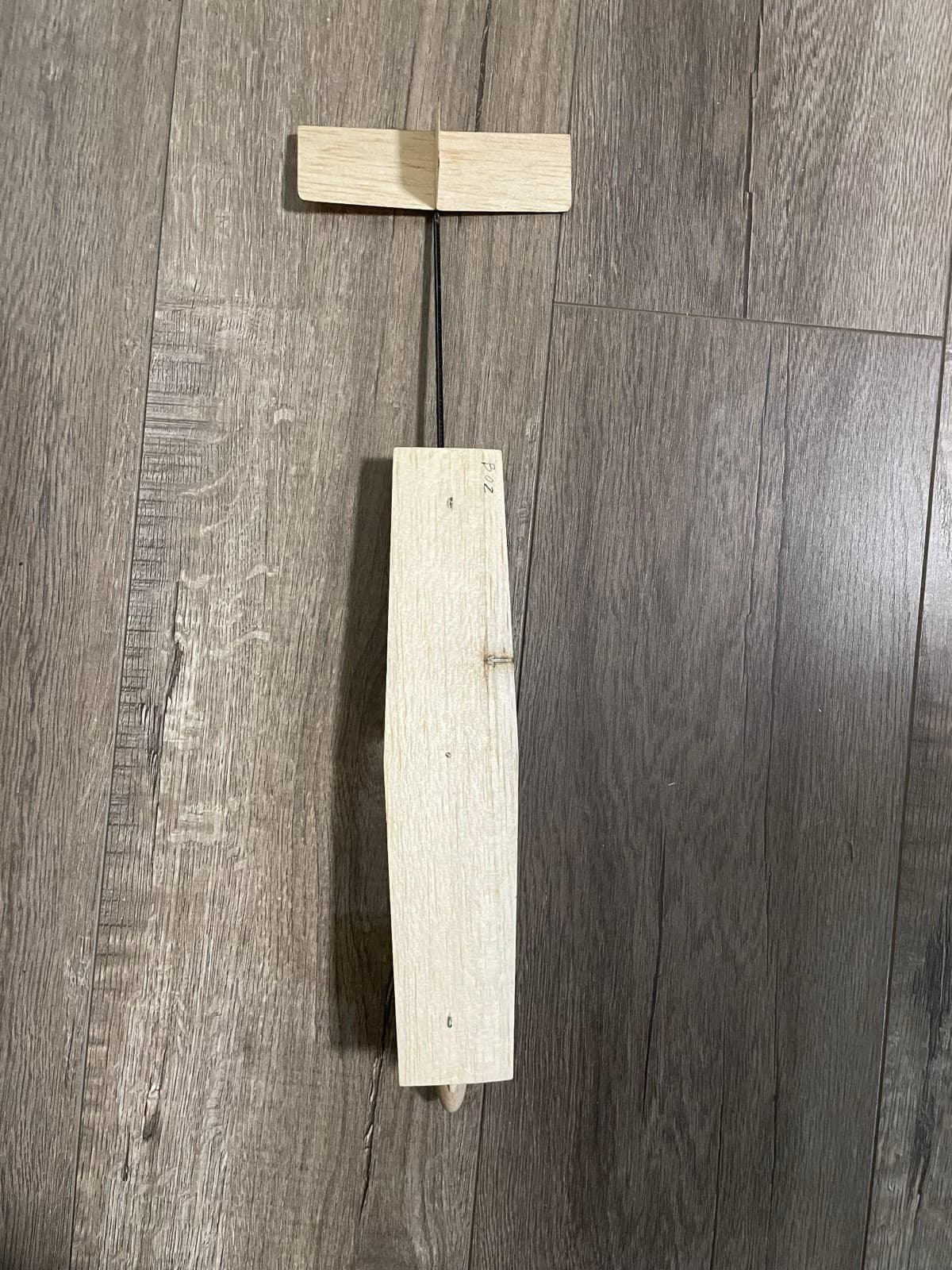
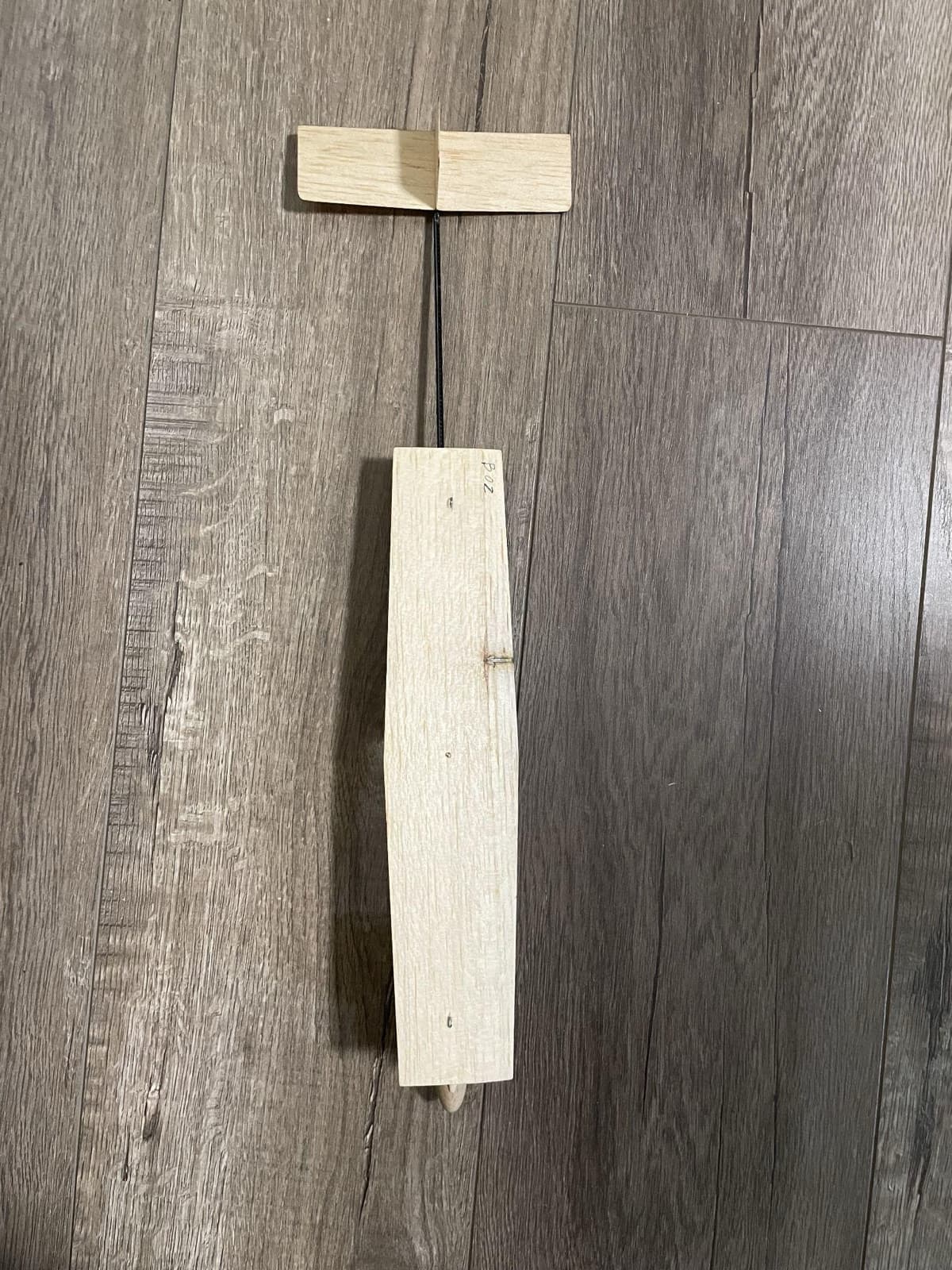
Jake's high-altitude boost glider rides the launch rod with its balsa wings folded down along the boom, then flips them out at ejection to glide. Folding cut drag by 15% and the folded-wing design topped out 30 m (20%) higher than the conventional one; the ruler beside the pad tracks both.
Overview
In space modeling the score is altitude or duration, and both come down to mass and drag. I design, build and fly my own, and competed on the US National Space Modeling Team.
- When
- High school to now
- Where
- US National Space Modeling Team
- Role
- Designer, builder, flier
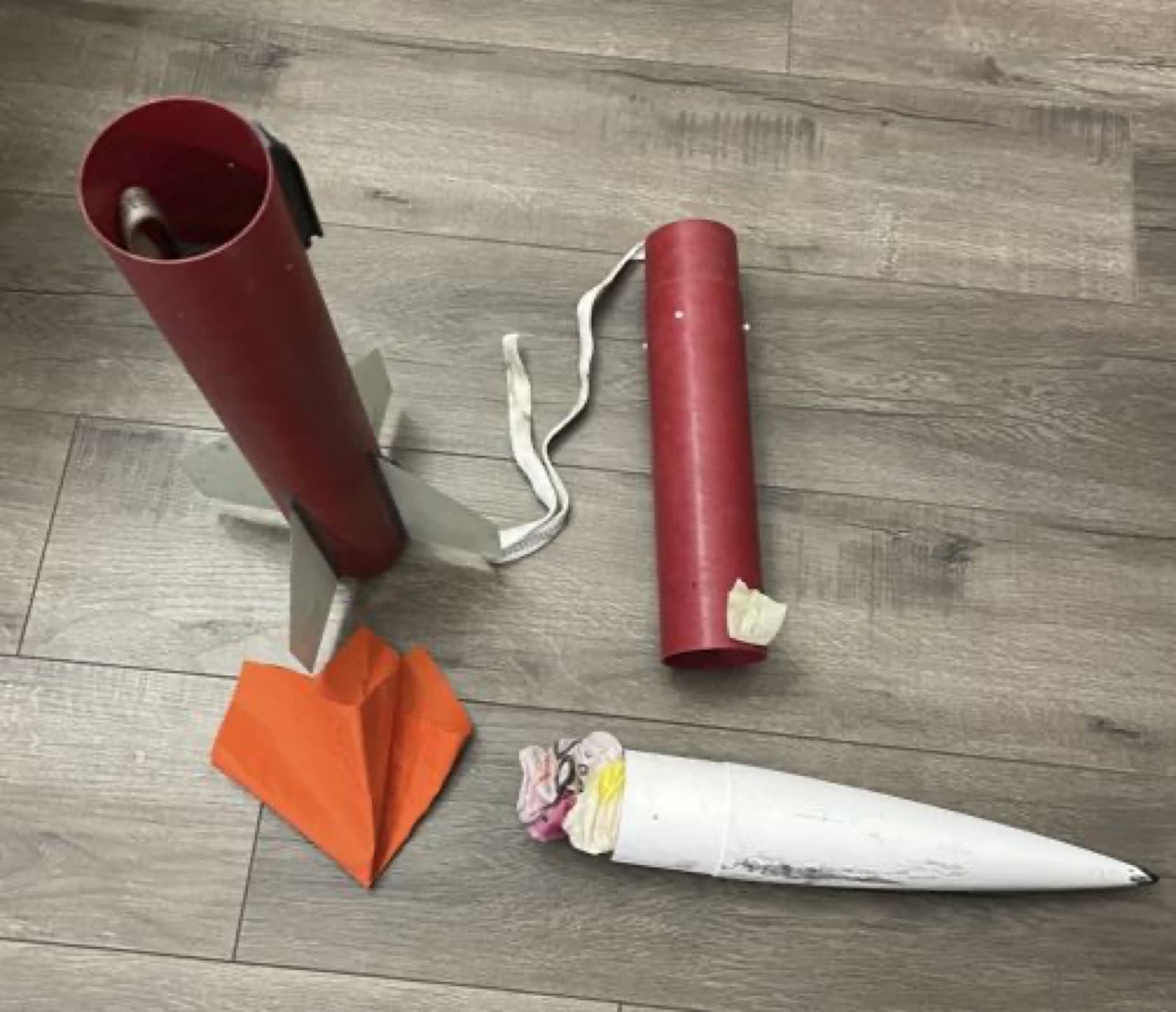
rockets.
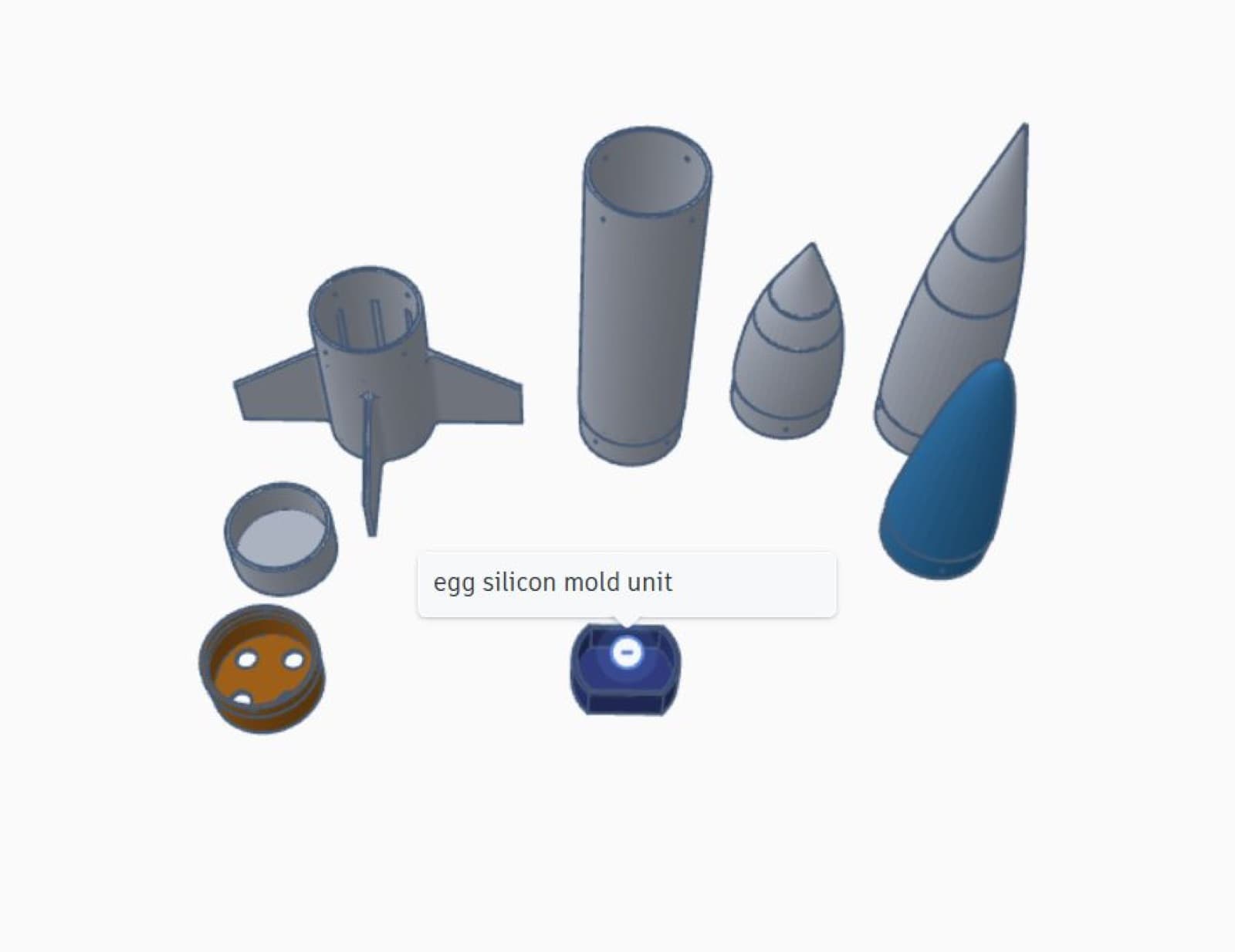
A 4 gram model, 40% lighter than the field.
Modeled rockets in SolidWorks; started trajectory sims in OpenRocket, then moved to MATLAB for control over the model.
Finalized a 4 gram model with 40% less body mass than competitors.
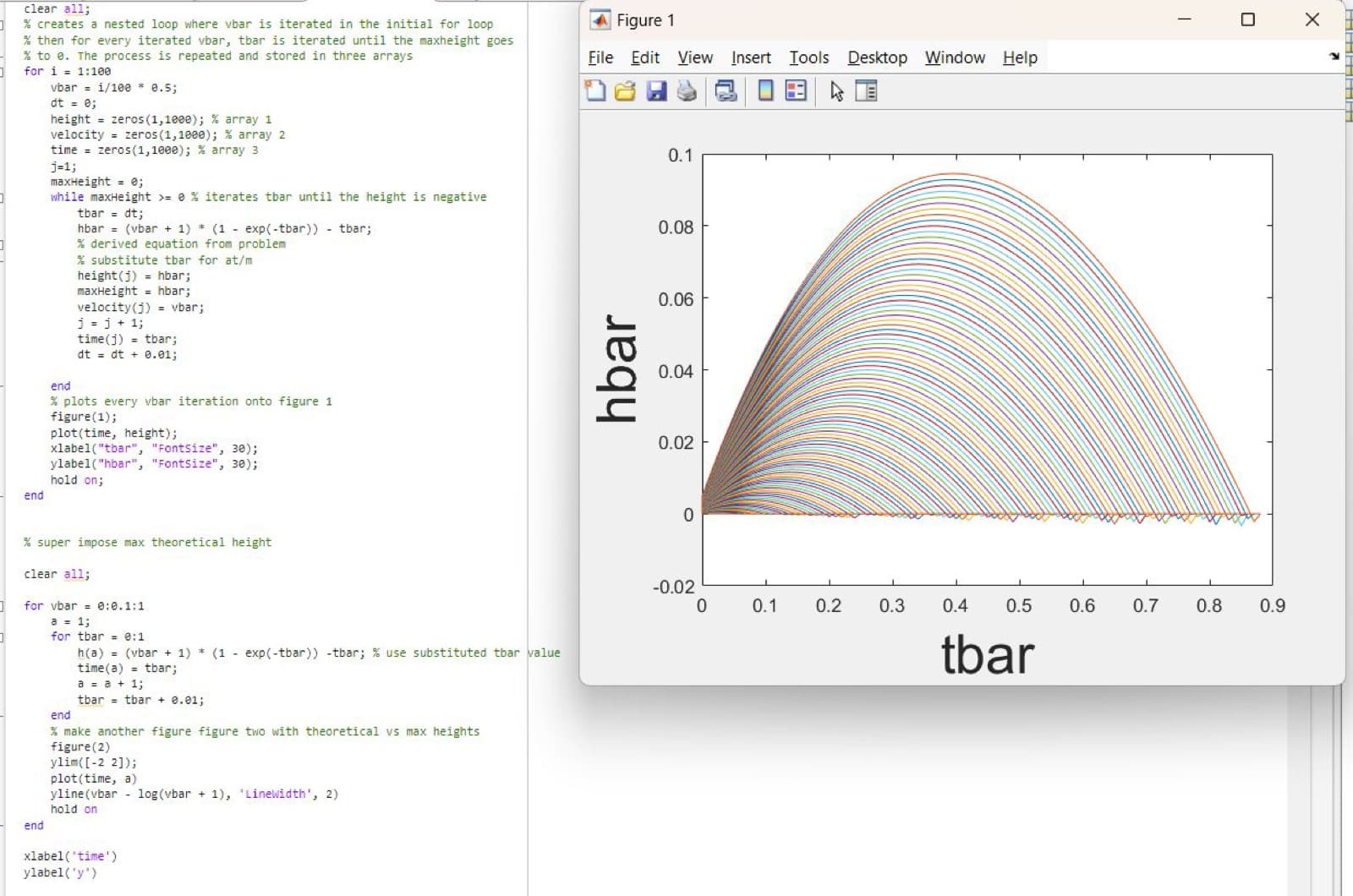
gliders.
Wings that fold for the boost and open for the glide.
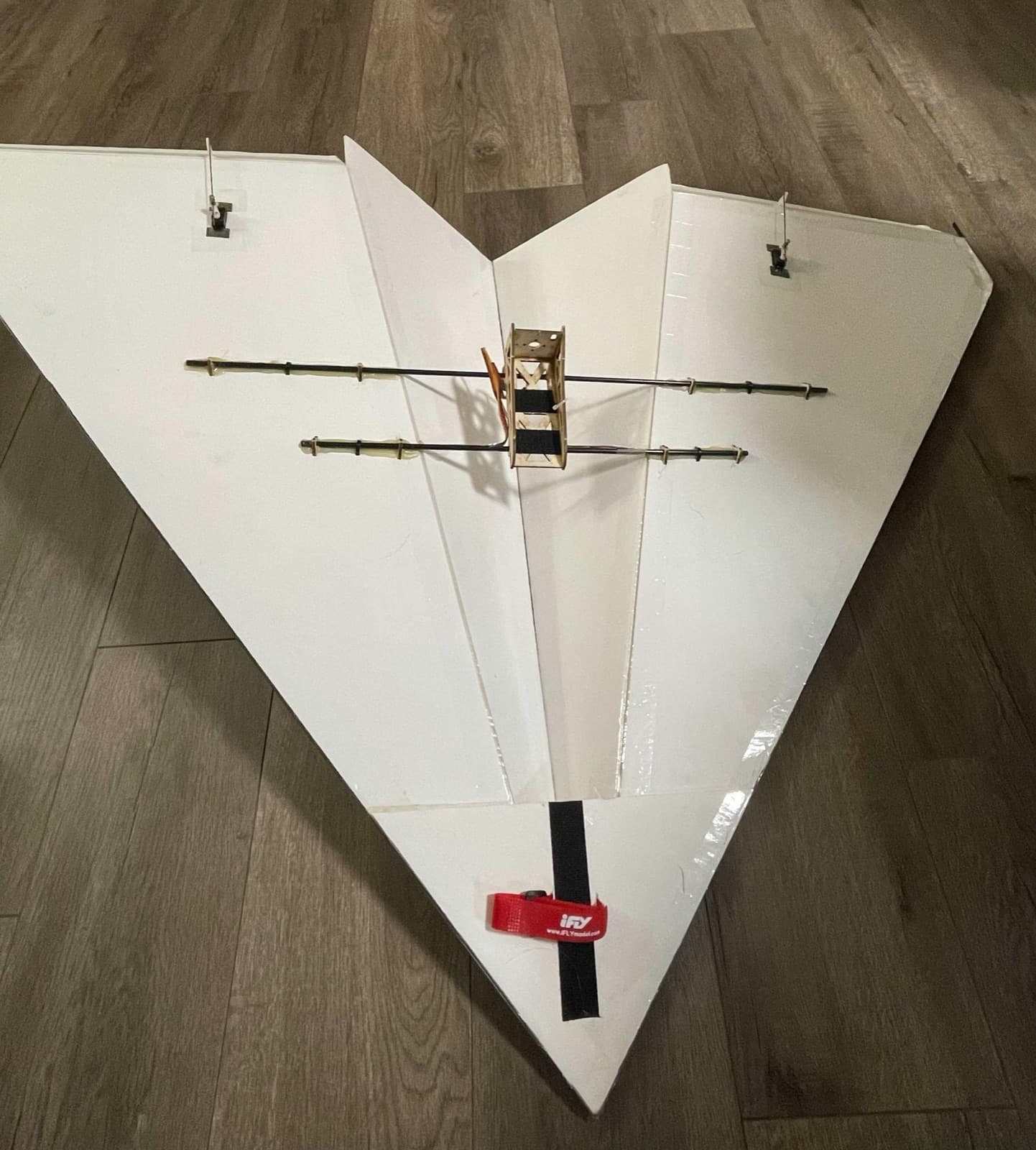
Prototyped a flip-wing double boost glider: wings fold for boost and deploy for glide, raising height by 20% (30 m) and cutting drag by 15%.
Instrumented gliders with a microcontroller flight logger (IMU + barometric altimeter) to validate the MATLAB trajectories against real flights.
next.
High power is next.
Preparing for NAR High Power Level 1 certification.
from the bench.